October 2026 · Quiet Hours editors
How to start listening to audiobooks: a complete beginner's guide
Everything you need to go from 'I can't focus on audio' to finishing a book a week: choosing a first title, picking an app, speed, habits and the free ways to try it.
A lot of people tell us they have tried audiobooks once, drifted off after ten minutes, and decided they are 'not an audio person'. Almost always, the problem was not them. It was the wrong book, the wrong moment, or the wrong expectations. Listening is a skill, like reading was once, and it gets easier quickly with a few small adjustments.
Step 1: Choose a first book that is built for the ear
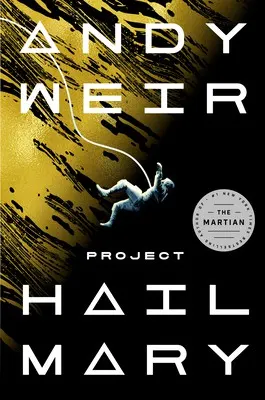
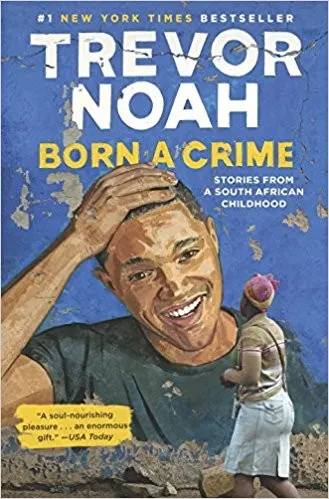
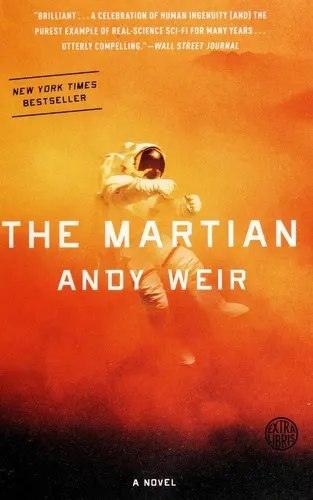
Your first audiobook should be easy to follow and fun to hear. That usually means one of three things: a memoir read by the author, a plot driven novel with a strong single narrator, or a book with a famous performance. Memoirs like Born a Crime work because the author's voice carries timing and feeling that the page cannot. Plot driven novels like Project Hail Mary or The Martian work because there is always a question pulling you to the next chapter.
Avoid, for now, dense literary fiction with long descriptive passages, books with large casts and similar names, and heavy nonfiction full of figures and charts. These can be wonderful in audio later, but they ask more of your attention than a beginner usually has to give.
Step 2: Listen to the sample before you commit
Every major store lets you play a sample of a few minutes. Use it. You are not testing the story, you are testing the voice. Ask yourself one question: could I listen to this person for ten hours? If the answer is not an easy yes, pick another edition or another book. Narration matters more than anything else in audio, which is why it carries the biggest weight in our own scores.
Step 3: Pick the right place to listen
If you want to try audiobooks without paying, start with your library through the free Libby app. Waiting lists for popular titles can be long, but there is always something available today. If you want to own books and start right away, a trial is the best value. Audiobooks.com currently gives new members several books on a 30 day trial, which is the most free listening of any service we have looked at. Audible's trial gives one credit and access to its included catalogue. Libro.fm is the choice if you care about supporting independent bookshops. You can see them all on our comparison page.
Step 4: Attach listening to something you already do
The people who listen most do not find extra time; they use time they already have. Commutes, washing up, folding laundry, walks, the gym and long drives are perfect. Pick one daily activity and make it your listening slot for two weeks. You will be surprised how quickly an hour a day adds up to a book a week.
Tasks that need words in your head, like writing emails or reading, do not pair well with audio. Tasks that use your hands and eyes but not your language, do.
Step 5: Find your speed
Start at 1.0x for the first hour so you learn the narrator's natural rhythm. Then try 1.1x or 1.2x. Most listeners settle somewhere between 1.0x and 1.4x. Comedy and dramatic performances usually sound best close to normal speed; expository nonfiction can go faster. There is no right answer, and no prize for speed. The goal is a pace where your mind stays on the story.
Step 6: Use the tools in the app
Every good app has a sleep timer, a thirty second rewind and bookmarks. Use the rewind freely; drifting for a moment is normal and costs nothing. Download books before you travel so you do not burn through mobile data. If your car supports CarPlay or Android Auto, set it up once and listening becomes automatic.
Step 7: Give yourself permission to quit
Life is too short for a narrator who grates on you. If a book is not working after an hour, return it if your store allows it, or simply move on. Most credit based services, including Audible and Audiobooks.com, have return or exchange policies for titles you did not enjoy.
A simple first month plan
Week one: start a free trial or download Libby and pick a memoir or a plot driven novel. Week two: find your speed and your daily slot. Week three: try a different genre, maybe a full cast production. Week four: decide whether to keep a subscription, switch to a cheaper option, or stay with the library. By the end of the month you will know exactly what kind of listener you are.